IMAGE RESTITUTION (Laura Horelli, Hildegard Titus, Mwalengwa Hillebrecht) 2026
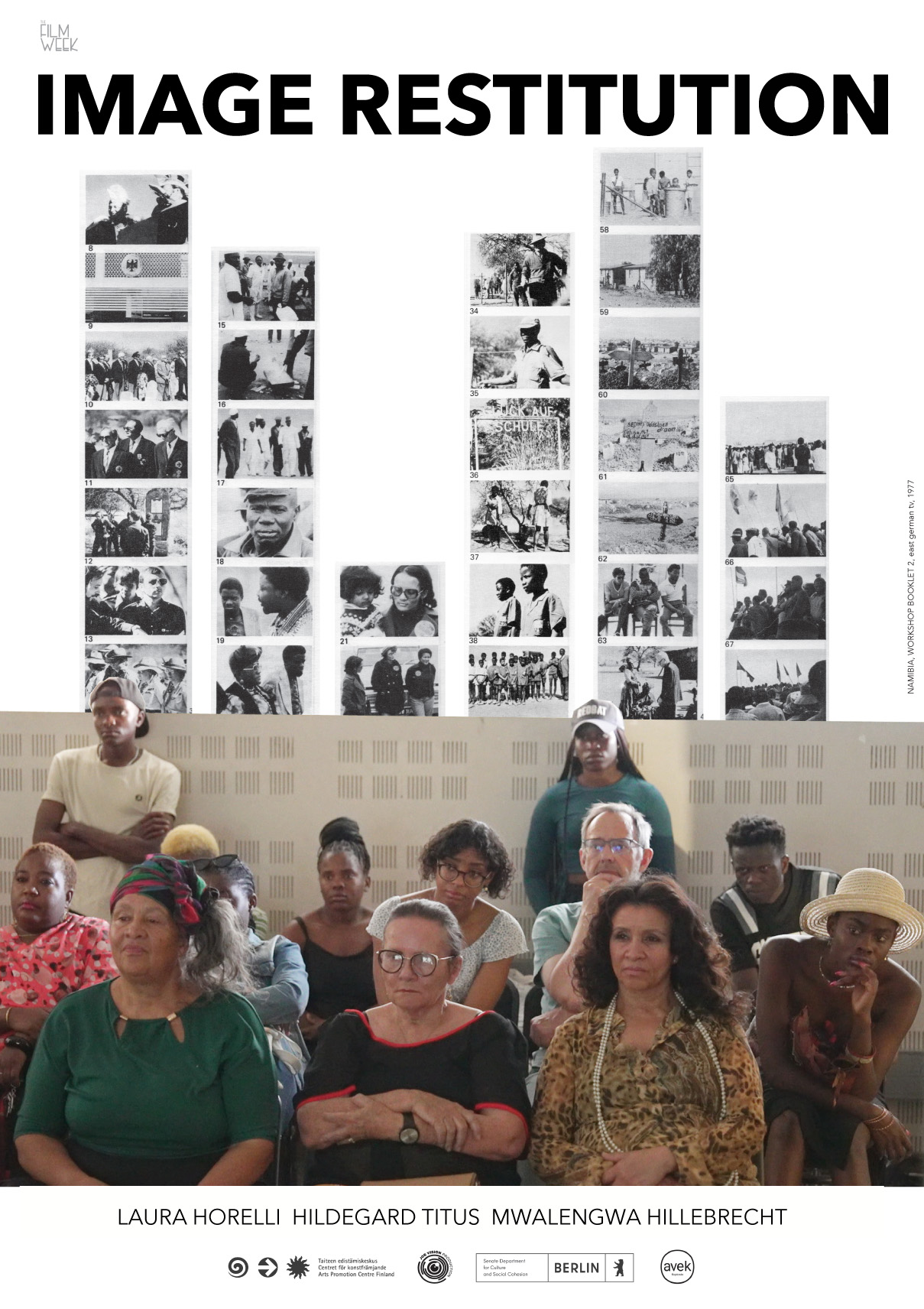
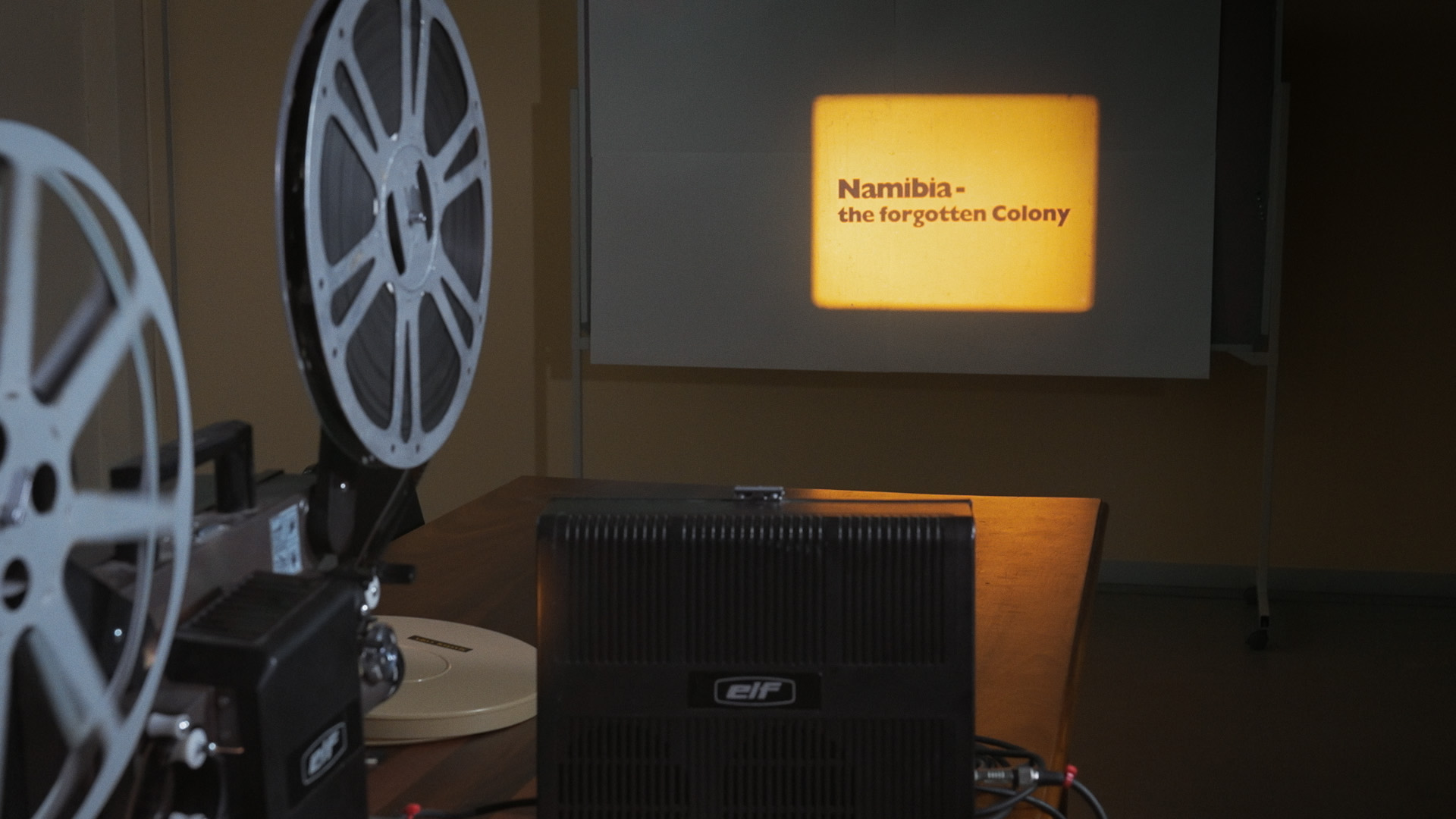
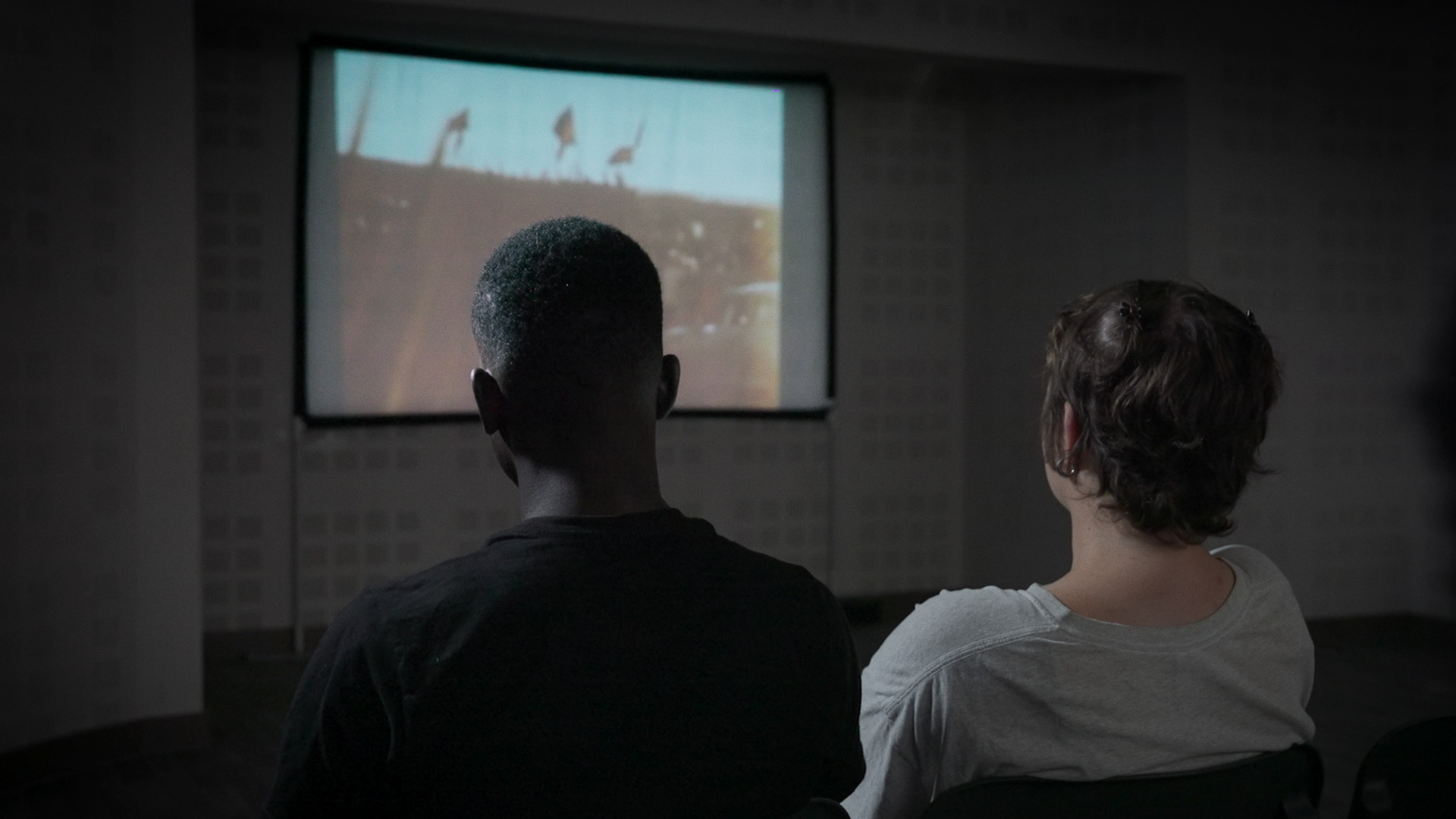
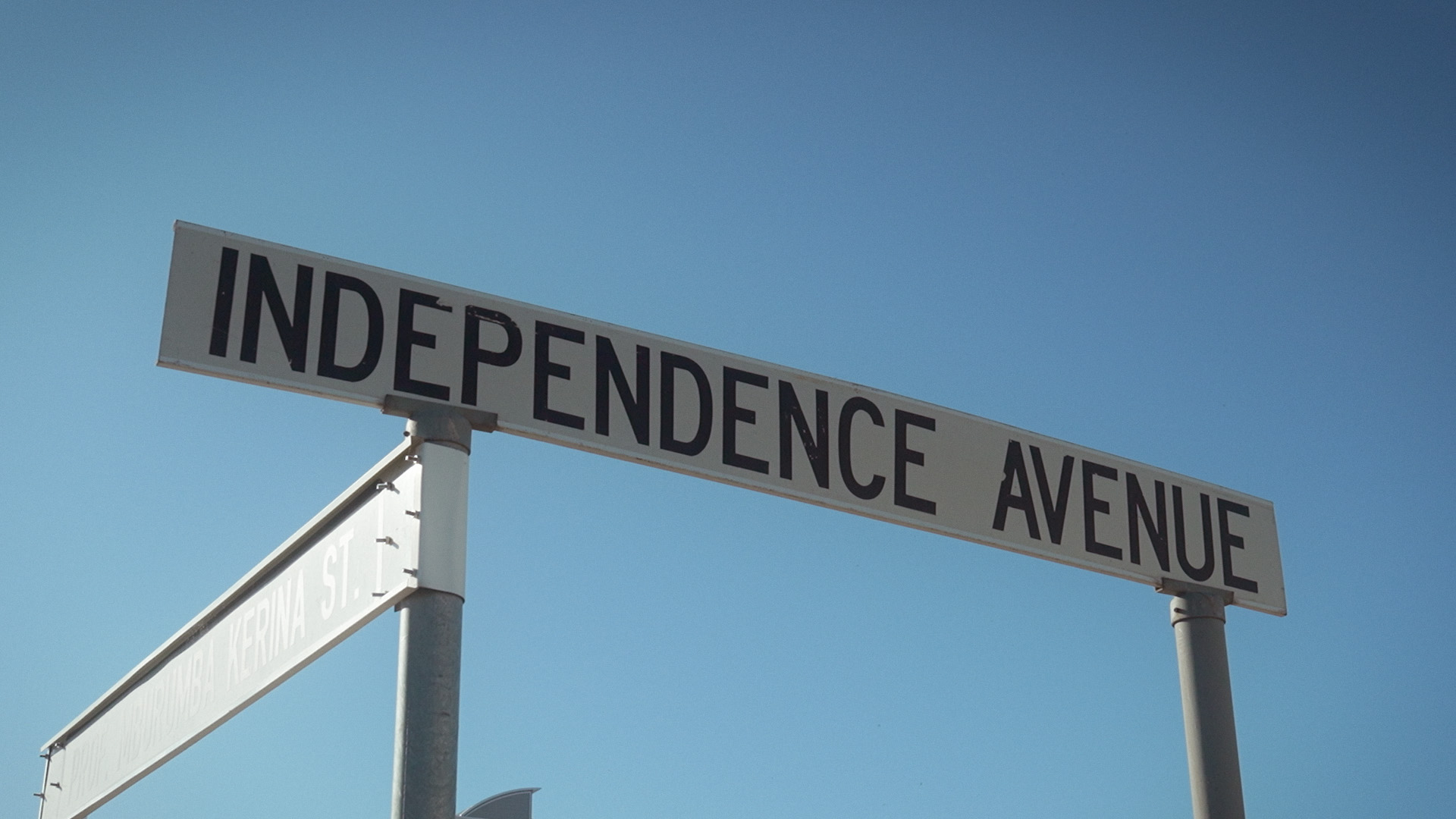
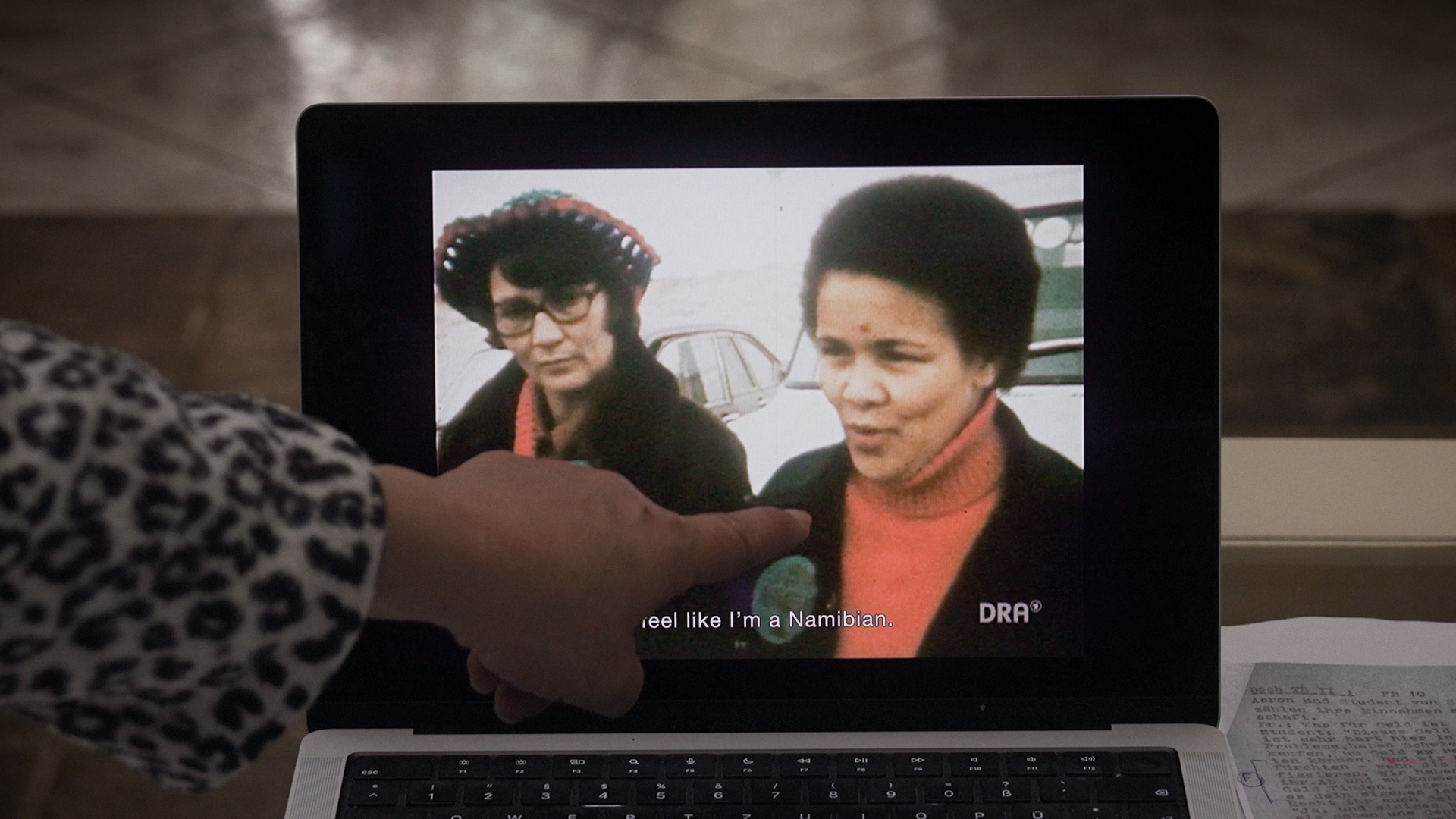
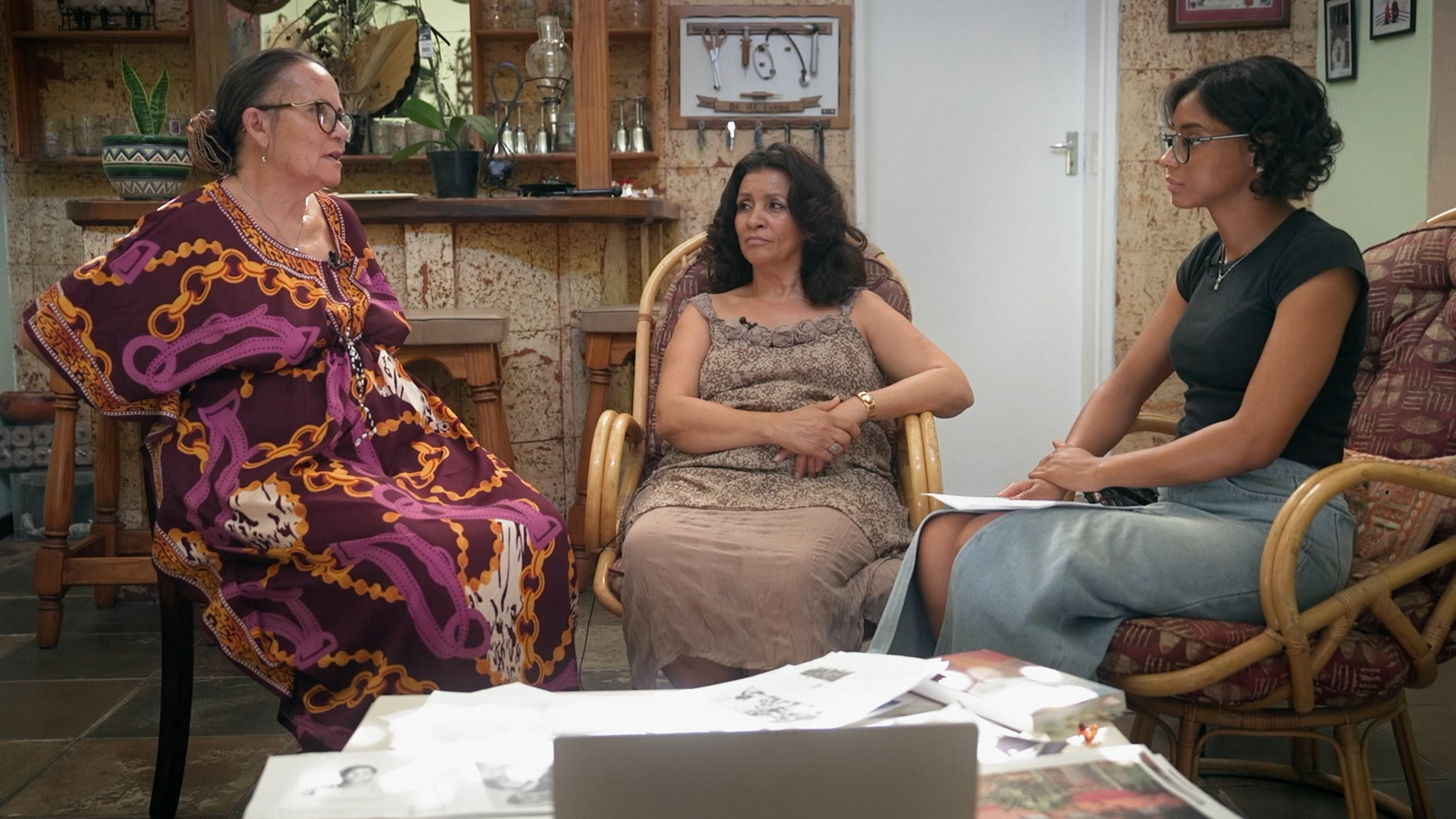
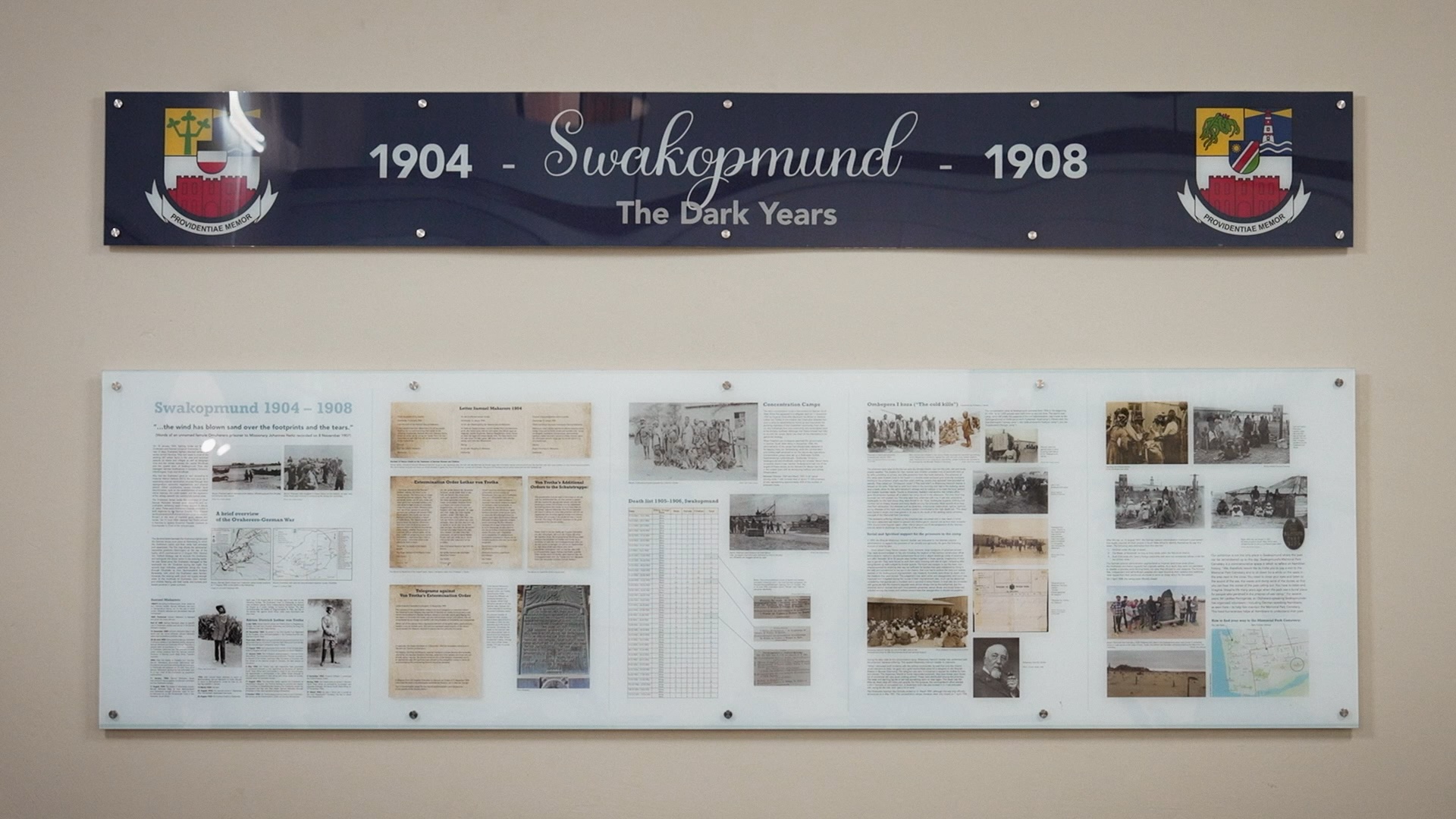
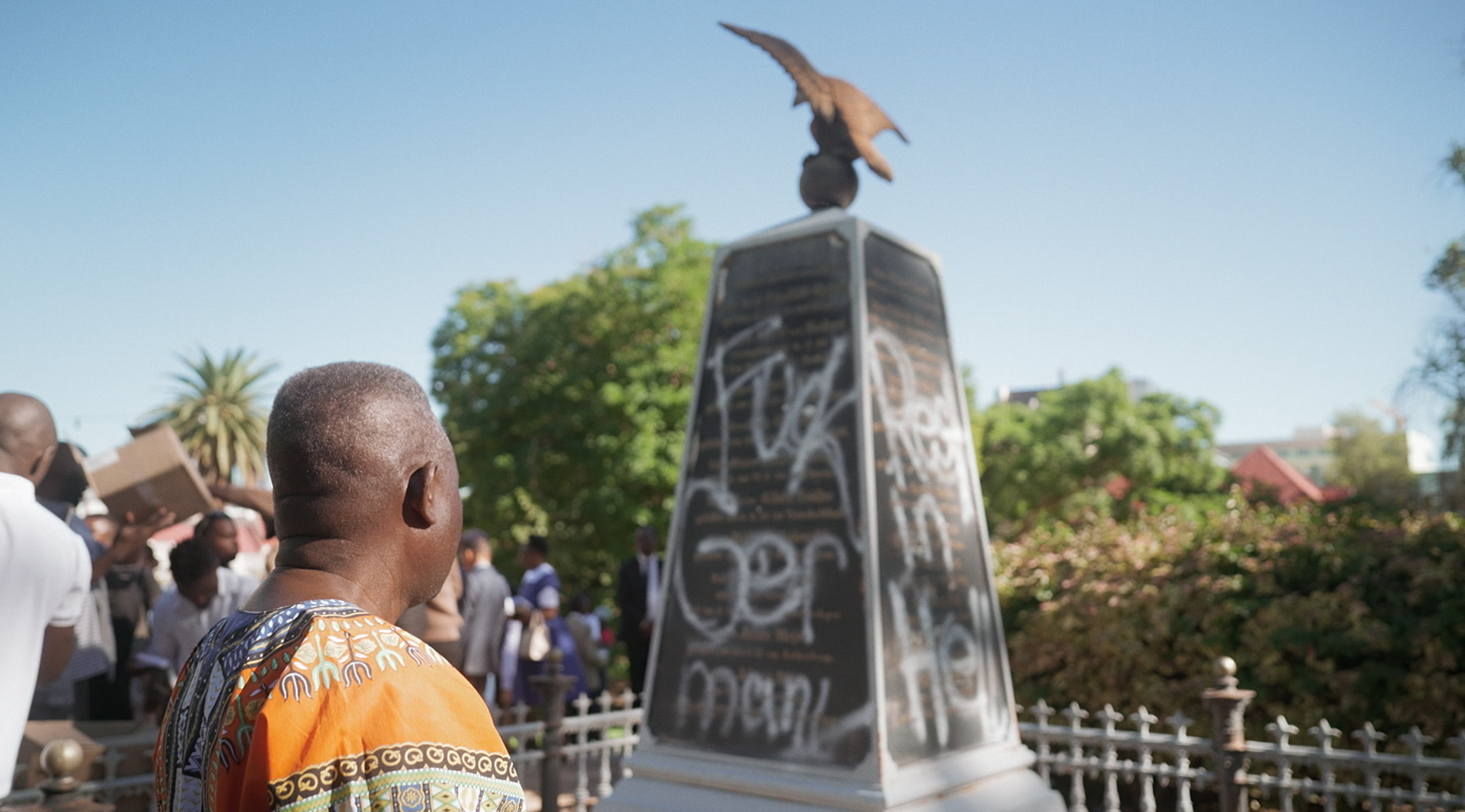
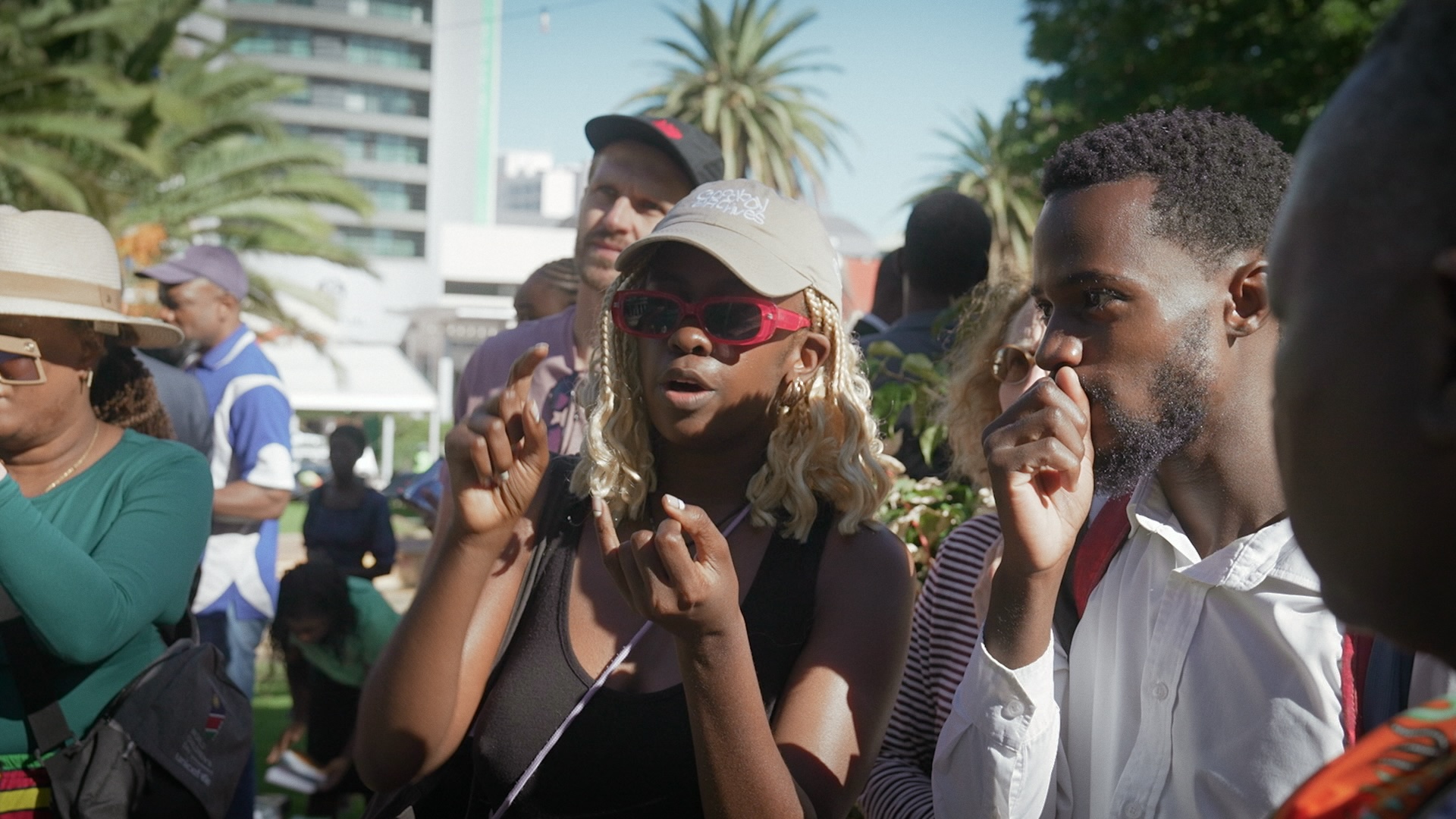
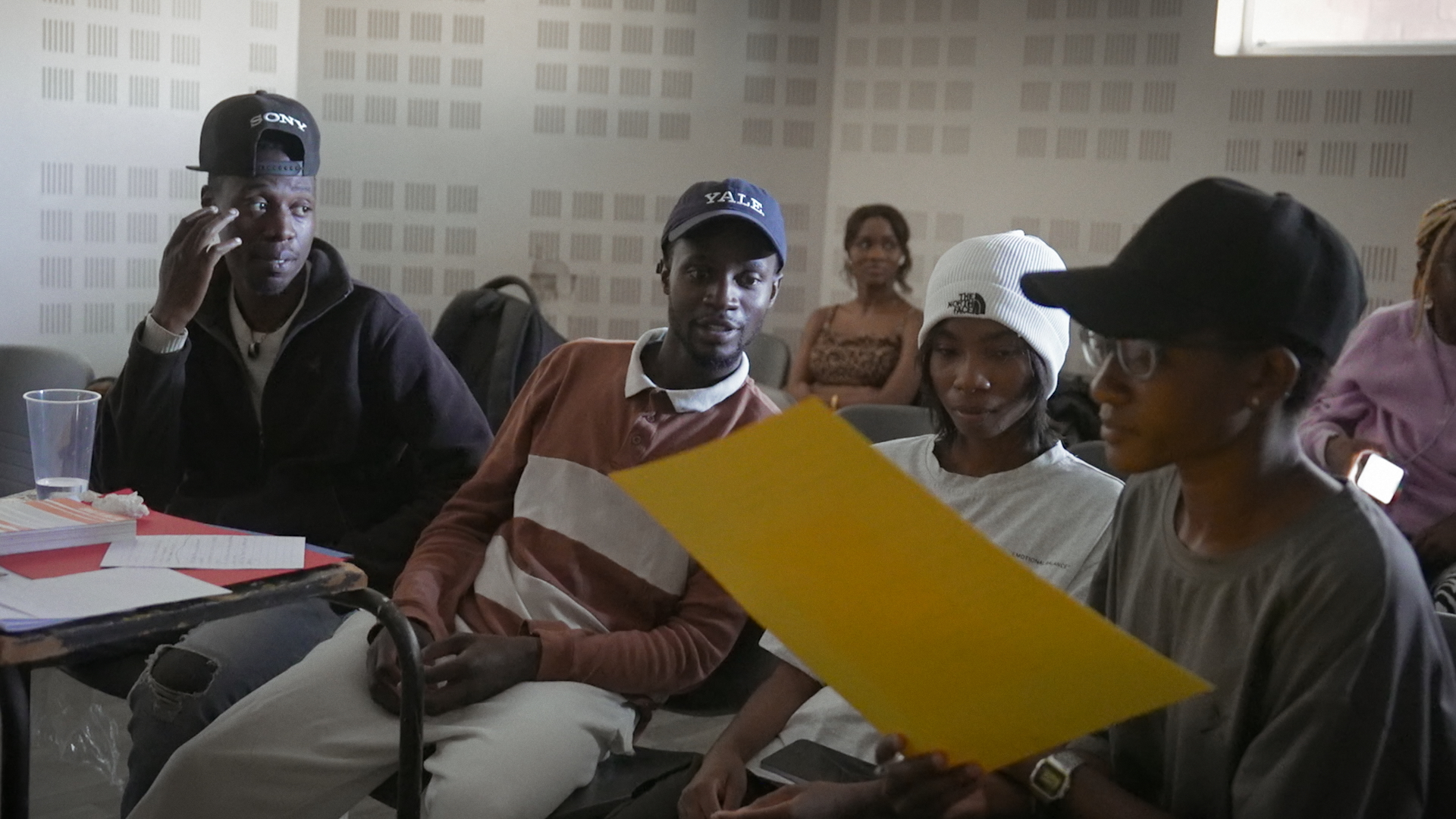
Namibia – the Forgotten Colony (1976, East Germany) was shot clandestinely during South African apartheid occupation in solidarity with Namibia’s most popular liberation movement at the time, SWAPO. It is one of the earliest anti-apartheid documentaries set in Namibia, but it has never been shown publicly in the country. IMAGE RESTITUTION engages with the 50-year-old film through contemporary Namibian voices, fostering meaningful intergenerational dialogue around memory, trauma, archives and Namibian-German relations.
IMAGE RESTITUTION is a case study about the reception of a socialist anti-apartheid documentary in Namibia 50 years after its making. Films extracted from Namibia are often stored in western archives and are unknown and inaccessible to local audiences. A 16mm film reel of the East German television documentary Namibia – the Forgotten Colony (1976, Dr Sabine Katins) was found at the National Archives of Namibia. It was shot together with the liberation movement SWAPO—whose members were risking their livelihoods during apartheid— and shows the structural inequalities and segregation between the Black and white population, which has its origins in the German colonial era. Made during the Cold War, it exposed West Germany’s complicity in apartheid, accusing it of having close relations with the German-Namibian minority. The documentary was presented at the United Nations in support of Namibia’s independence struggle from South Africa and won the Golden Dove at the Leipzig Documentary Film Festival. It is propaganda, but touches on sensitive issues like the genocide of the Ovaherero, Nama, Damara and San, which is a topic of gaining relevance in the wake of growing social consciousness today.
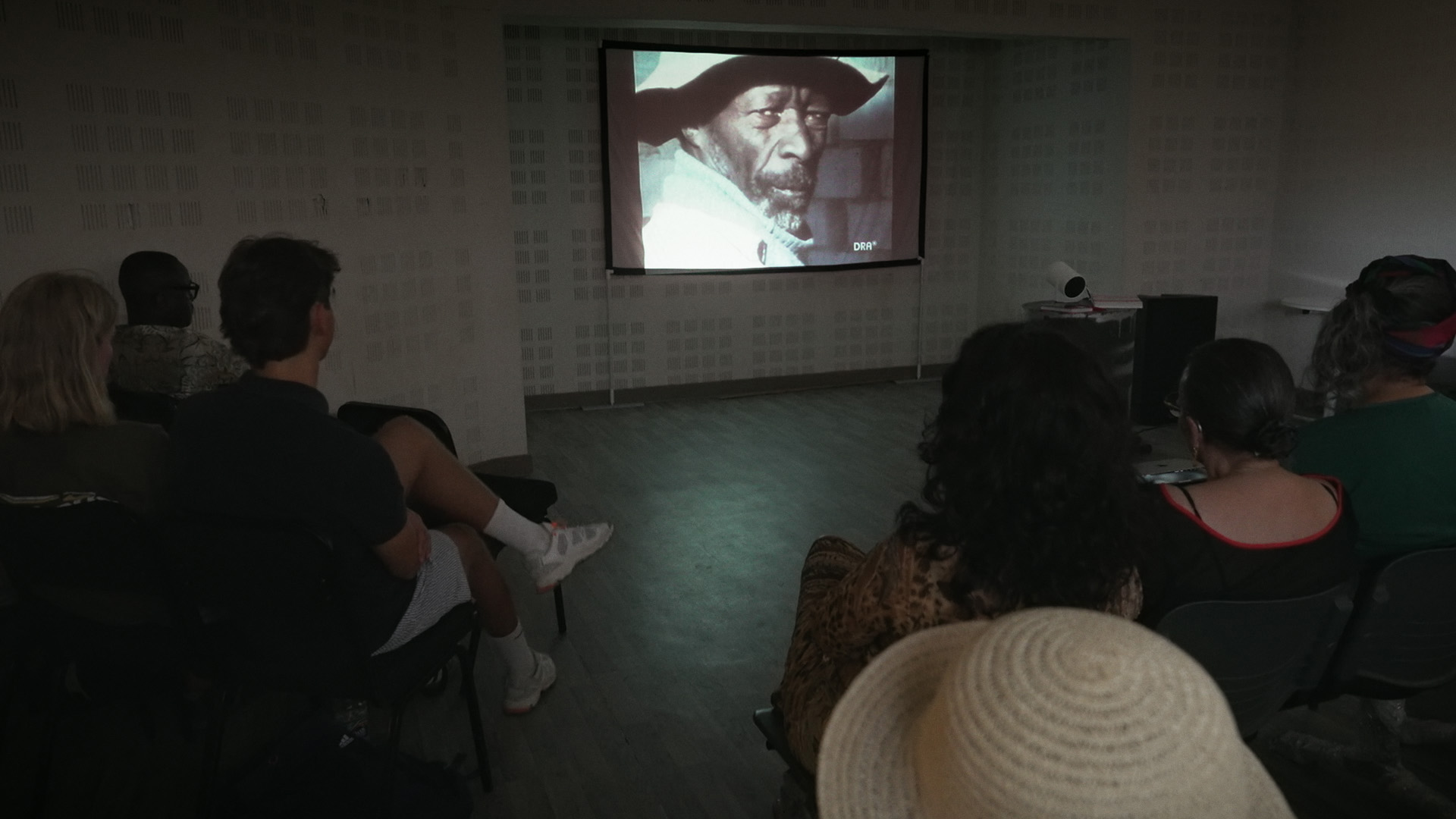
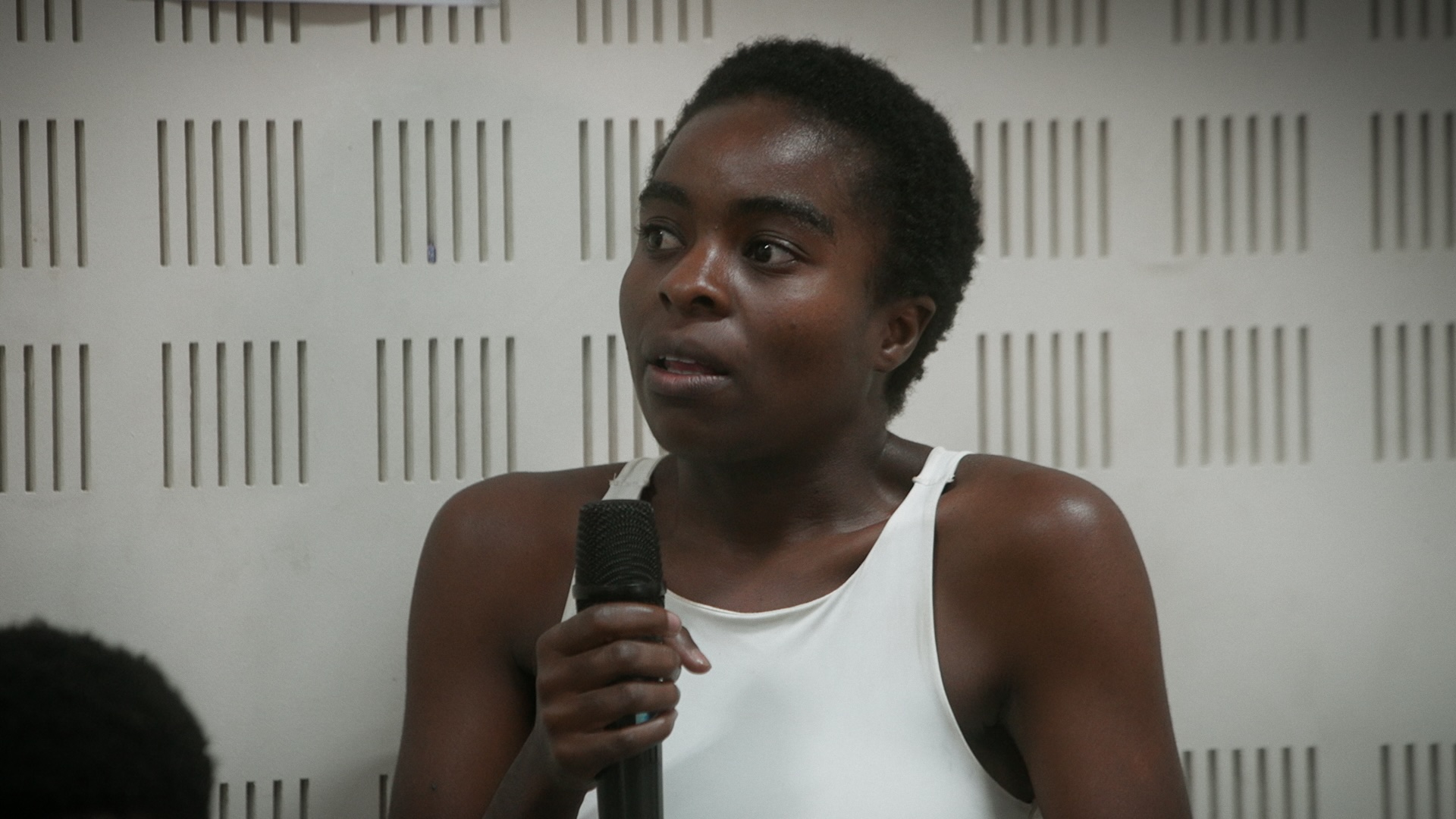
Namibia – the Forgotten Colony had never previously been shown publicly in Namibia. Laura Horelli started the project in 2021 when she found two East German TV documentaries shot in Namibia at the German Broadcasting Archive and met an anonymous cameraman of the films, John Green. Her approach to the subject matter as a non-Namibian was to use her privilege to access German archives. In autumn 2024 she invited the Namibian artists Hildegard Titus and Mwalengwa Hillebrecht, both of whom she has known for several years, to join IMAGE RESTITUTION. Digitalised copies found from German archives were screened in Windhoek at the University of Namibia Visual and Performing Arts Department as a seminar of Dr Nashilongweshipwe Mushaandja. Hildegard Titus moderated the discussions after the screenings: “I wanted to ask everyone, 49 years later since this film was made, do you think much has changed?” Safe spaces, particularly for a diverse group of younger Namibians born after the independence in 1990, were created to respond to the documentary. This encouraged meaningful dialogue across generations and ethnic groups around memory, trauma, archives and Namibian-German relations. In workshops participants chose a clip of the documentary and developed their own artistic interventions like voice-over poetry or re-enactment to reclaim their own history.
Mwalengwa Hillebrecht was especially interested in the role that women like the forgotten activist Martha Ford played in the liberation struggle. Interviews with her daughter, Mildred Ford, and Bella Cupido, a protagonist from the original film who was still alive, were arranged. Efforts were made to involve German-Namibians in the conversation about reconciliation. This however backfired at Swakopmund Museum, which was the only venue to refuse a discussion about Namibia – the Forgotten Colony to be documented. Hildegard Titus organised a decolonial tour in Windhoek town centre in commemoration of the Hornkranz massacre in 1893, when German colonial troops attacked a Nama village.
IMAGE RESTITUTION was produced together with Sophie and Joel Haikali (Joe Vision Production). A small local crew consisting of the cinematographer Antonius Tsuob and the sound person Kauna Hoabeb documented the process of viewing, discussing and reshaping Namibia – the Forgotten Colony. Participants were given the option of being on or off camera. It was crucial to present work-in-progress versions in various stages to the protagonists and local audiences in 2025-2026.
Below is documentation of selected Namibia – the Forgotten Colony screenings and IMAGE RESTITUTION work-in-progress screenings: